Hidden among the rolling fields and woodland of the Ribble Valley, Beat-Herder once again proved why it remains one of the most distinctive festivals in the UK.
Returning from 16–19 July, the fiercely independent festival celebrated 21 years since its beginnings in 2006 with four days of electronic music, live performances, surreal entertainment and wonderfully organised chaos.
While major names including Faithless, Sigma, Wilkinson and Groove Armada may have attracted the headlines, Beat-Herder has never been a festival defined solely by its main-stage line-up. Its real magic lies in the strange places discovered between performances, the people met along the way and the feeling that absolutely anything could be waiting around the next corner.
More than just a music festival
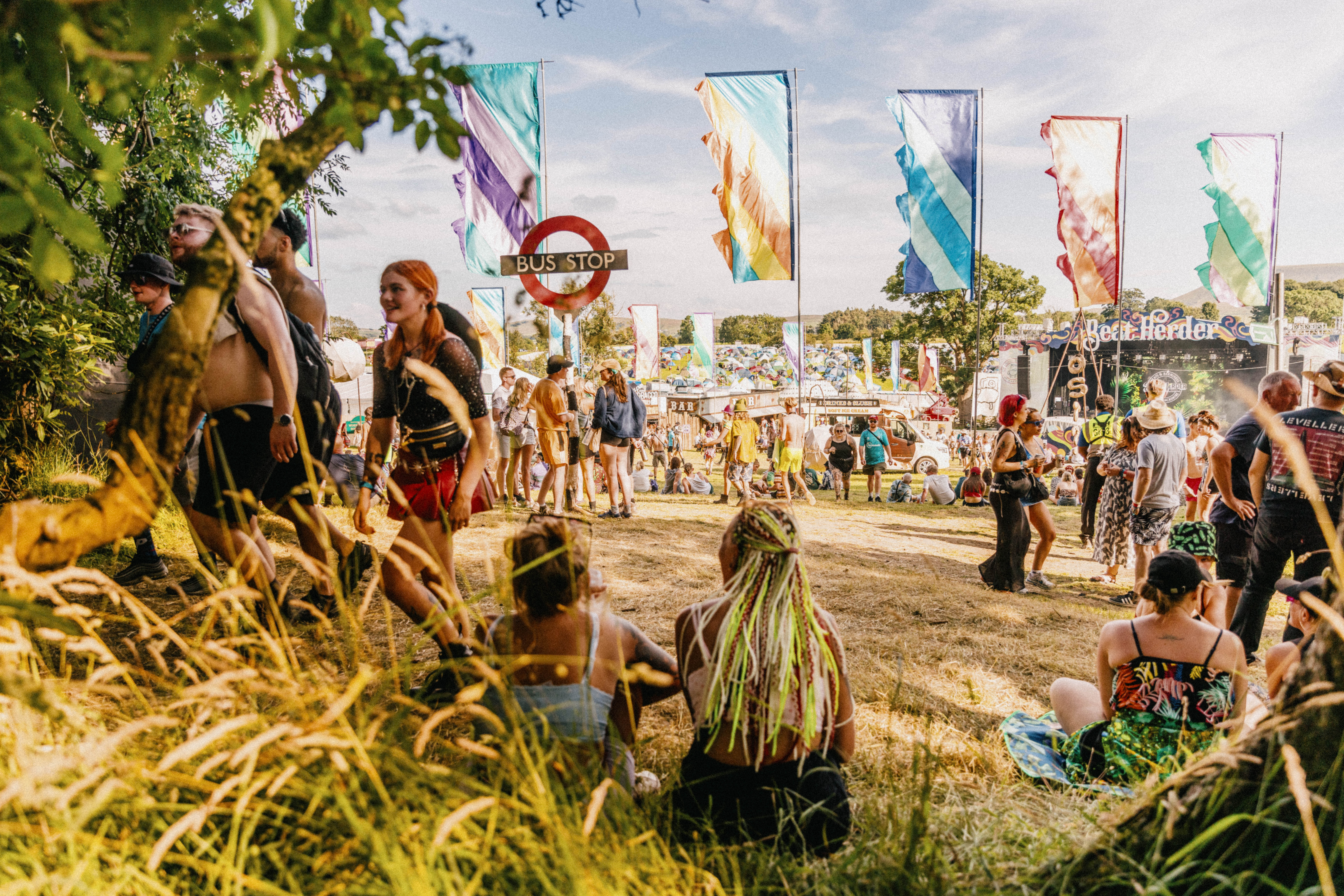
From the moment you arrive, Beat-Herder feels completely different from a traditional commercial festival.
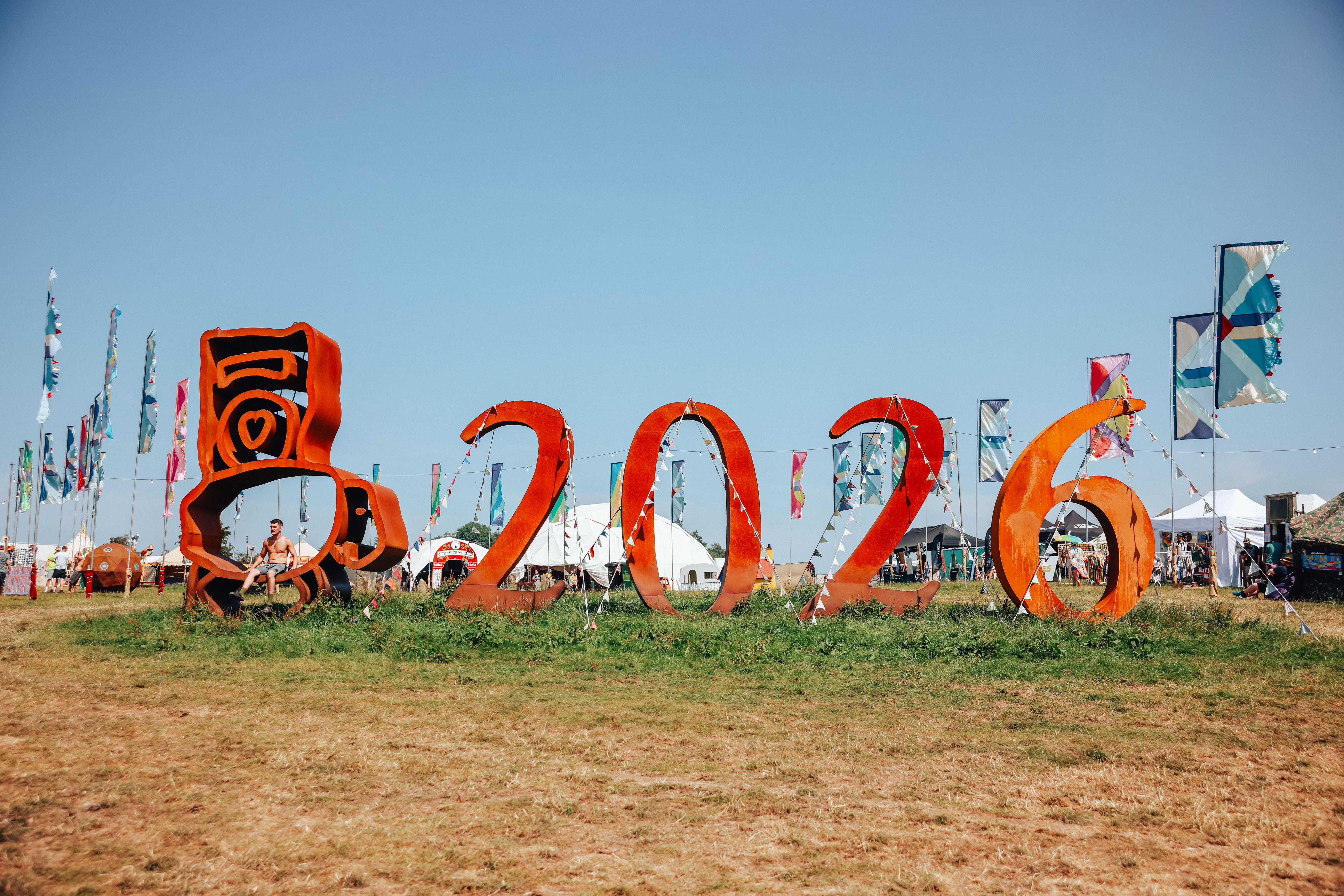
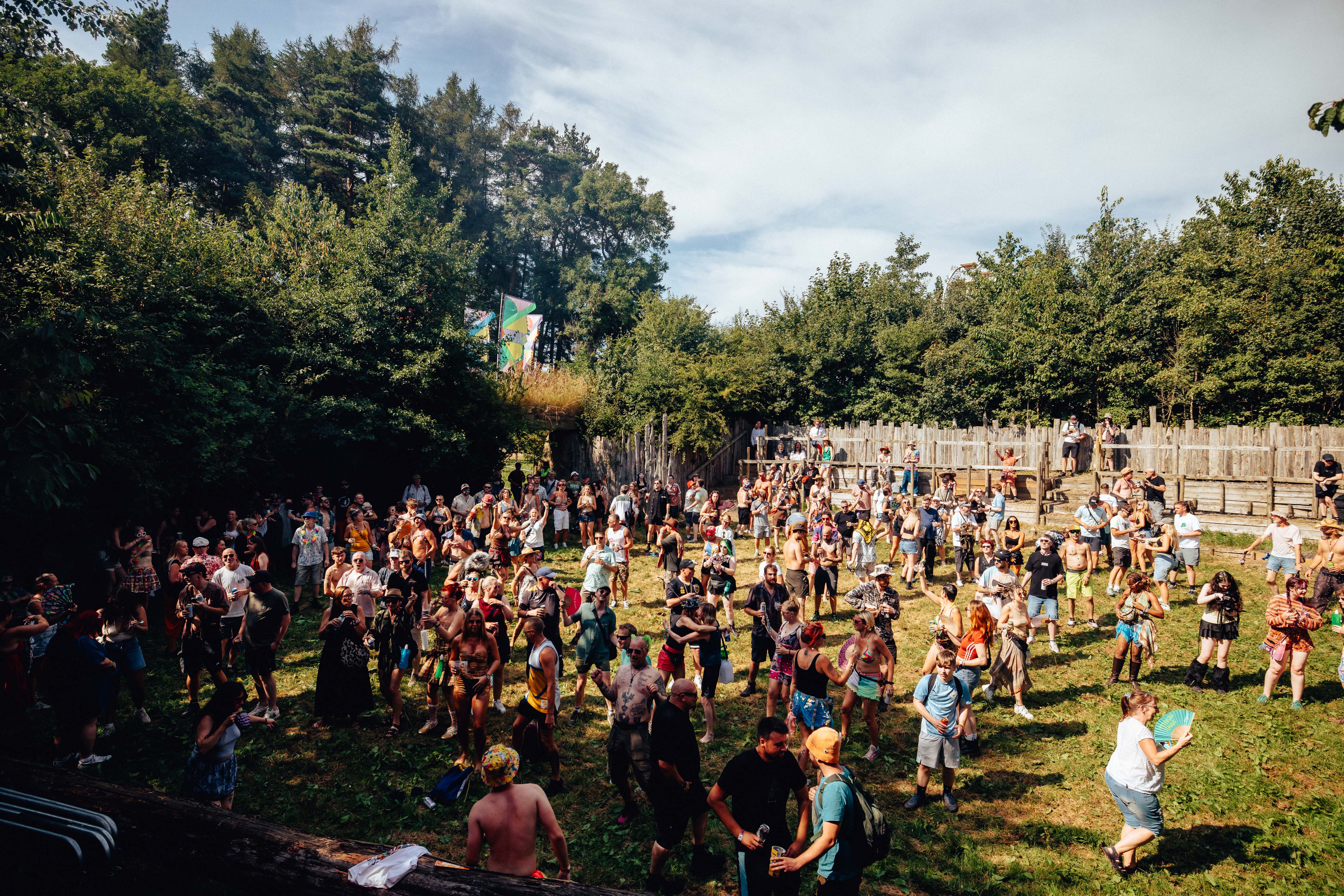
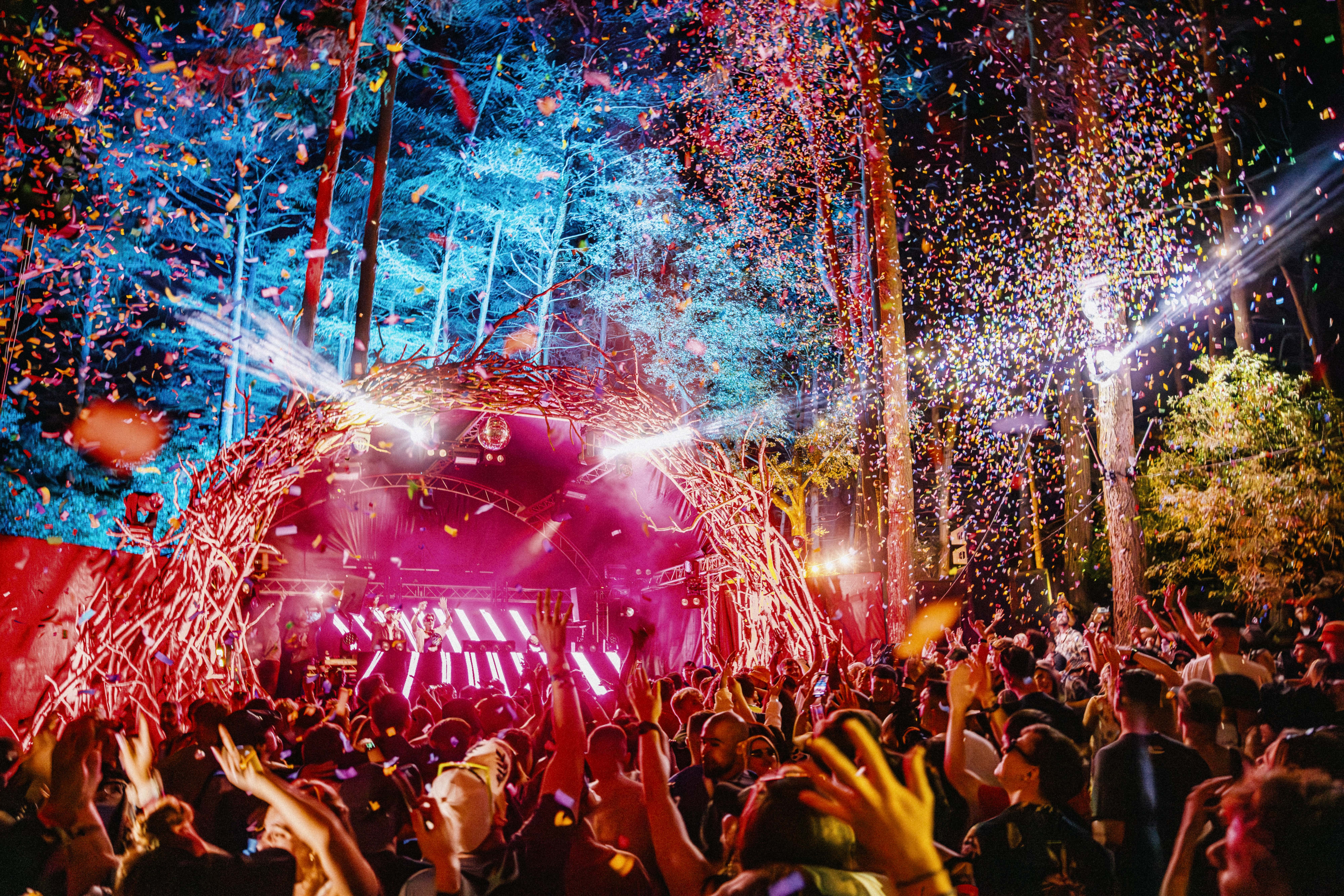
The site is filled with hand-built stages, eccentric characters, unexpected performances and hidden areas that reward anyone willing to wander away from the obvious attractions. Across the weekend, we found ourselves moving between woodland dancefloors, towering rave structures, intimate tents and bizarre venues that looked as though they had been transported from another world.
The festival featured an impressive collection of areas, including the Beat-Herder Stage, Toil Trees, The Fortress, The Ring, Smoky Tentacles, The Parish Church, The Working Men’s Club, The Launderette and Hotel California.
It is easy to arrive with a detailed schedule and abandon it within an hour. One minute you are heading towards the main stage, and the next you have disappeared into a packed woodland rave or found yourself watching an unexpected performance inside one of the festival’s smaller venues.
That sense of discovery is what makes Beat-Herder so special.
Faithless deliver a memorable Friday night
Friday’s main-stage programme provided one of the first major highlights of the weekend.
House Gospel Choir brought uplifting vocals and familiar dance classics to the field, while Manchester legends K-Klass helped build the atmosphere ahead of the evening’s headliners.
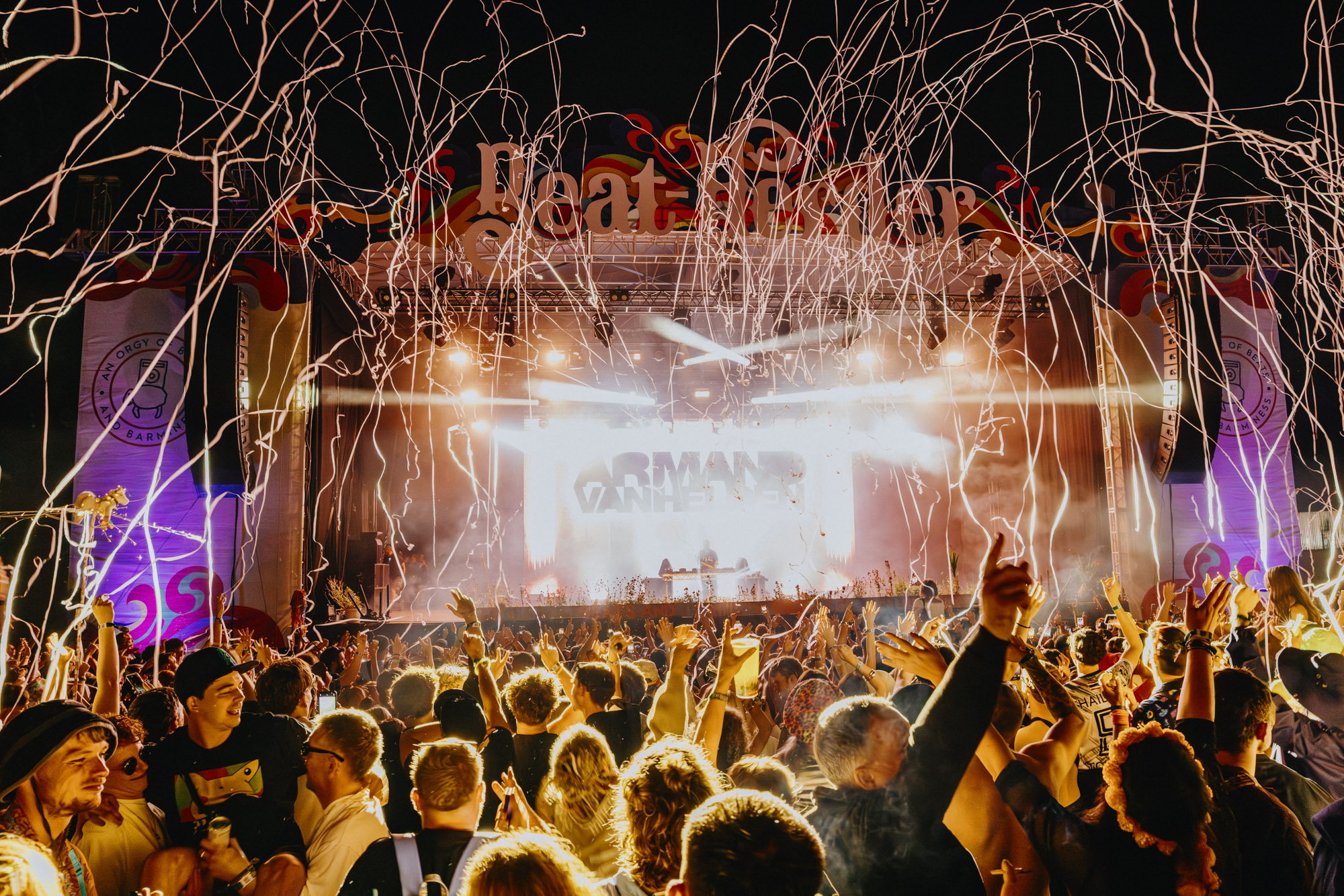
Faithless then delivered the type of emotional, euphoric performance their catalogue was made for. Hearing some of the biggest tracks in British dance music performed in front of a huge festival crowd was a fitting way to celebrate Beat-Herder’s milestone year.
It was a set filled with nostalgia, energy and genuine connection. Long-time fans sang every word, while younger members of the audience were introduced to music that has influenced generations of electronic artists.
Sigma bring Saturday-night energy
Saturday belonged to the heavier and faster side of the festival’s musical personality.
The Orb provided an immersive live audiovisual performance, while Kings of the Rollers and INJA brought jungle, drum and bass and live MC energy to the main stage.
Sigma then closed the evening with a huge, accessible festival set packed with soaring vocals, heavy drops and recognisable anthems. It was one of the weekend’s biggest crowd-pleasing performances, turning the main arena into an enormous outdoor dancefloor.
However, some of Saturday’s strongest moments came away from the main stage.
Toil Trees delivered house and techno from the likes of Laurence Guy, Sarah Story and Kirollus, while The Ring hosted bass-heavy performances including Aphrodite, Lens and Utah Saints. Over at The Fortress, the combination of UK garage, hard house and techno kept the energy high well into the night.
With so many areas operating simultaneously, clashes were unavoidable. But at Beat-Herder, missing one artist often means accidentally discovering something even better.
Wilkinson closes the festival on a high
By Sunday, tired legs and limited sleep had started to catch up with everyone, but the festival showed no signs of slowing down.
David Rodigan brought decades of reggae and sound-system culture to the main stage, providing a welcome change of pace before the final push. Queen Omega & The Royal Souls also delivered one of the weekend’s most powerful live performances.
Wilkinson was given the task of closing the main stage and responded with a suitably euphoric finale. His mix of melodic drum and bass, powerful vocals and festival-sized drops gave the crowd one final opportunity to empty whatever energy remained.
Elsewhere, Mr Scruff and MC Kwasi continued their reputation for unpredictable, extended performances at Toil Trees, before TSHA and salute helped bring the stage’s weekend to a close.
It was the perfect example of Beat-Herder’s broad appeal: reggae on one stage, drum and bass on another and deep, melodic electronic music hidden among the trees.
The smaller stages steal the show
Although the major performances were excellent, the smaller venues are where Beat-Herder truly separates itself from other festivals.
The Working Men’s Club offered a brilliantly Northern mixture of bingo, variety entertainment, live music and general silliness. The Parish Church provided another surreal setting, while Smoky Tentacles continued to attract anyone looking for something more experimental.
The Fortress remains one of the festival’s most impressive creations. Standing around 80 feet wide and 30 feet tall, complete with flames rising from its structure, it feels less like a festival stage and more like a giant rave monument.
Toil Trees, meanwhile, remains the spiritual heart of Beat-Herder. Dancing beneath the woodland canopy as the light disappears and the production comes alive is an experience that is difficult to recreate anywhere else.
These areas are not simply additional tents placed around a field. Each has its own identity, audience and atmosphere. That attention to detail makes the entire site feel like a strange temporary town rather than a collection of stages.
A friendly festival with real personality
Another major strength of Beat-Herder is its crowd.
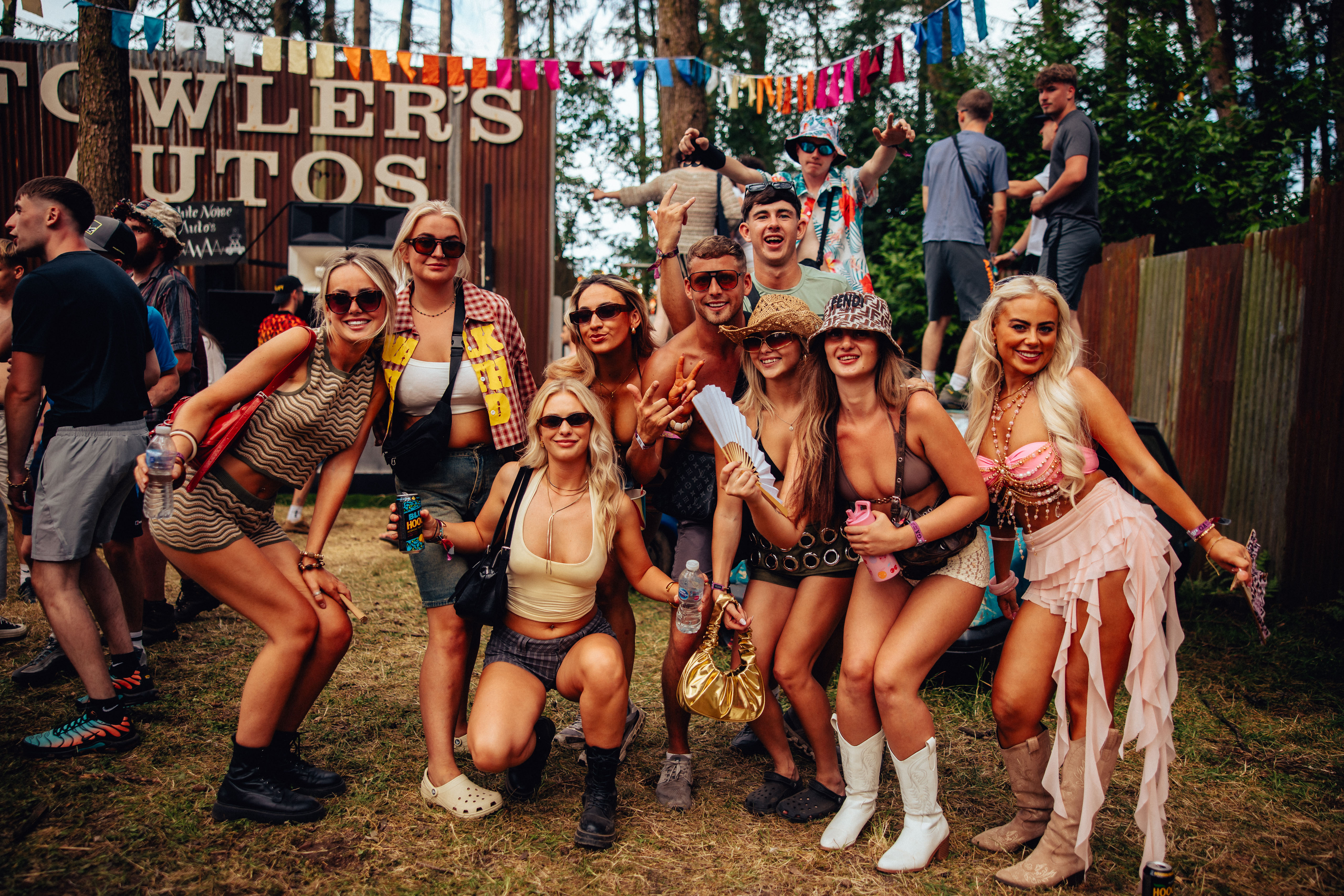
There is a friendly, unpretentious atmosphere throughout the site, with a mixture of dedicated dance-music fans, festival veterans and people simply looking for an unforgettable weekend.
Fancy dress is embraced, strangers regularly become temporary best friends and there is a strong sense that everyone is participating rather than merely observing. The festival’s independent personality is visible everywhere, from its hand-built surroundings to its refusal to take itself too seriously.
There were naturally busy periods around the largest performances, and moving between popular stages occasionally required patience. However, the festival’s variety meant it was nearly always possible to escape the crowds and find a completely different experience nearby.
The verdict
Beat-Herder’s 21-year celebration successfully captured everything people love about the festival.
Faithless brought emotion and nostalgia, Sigma delivered Saturday-night euphoria and Wilkinson provided an explosive finale. Yet the weekend’s most memorable moments were often the ones that could never have been planned: stumbling across a hidden dancefloor, joining a packed room without knowing who was performing or following a strange pathway simply to discover where it led.
Beat-Herder may have grown considerably since its roots in the free-party movement, but it has retained the creativity, independence and community spirit that made it special in the first place.
It is chaotic without feeling unfriendly, eccentric without becoming forced and musically diverse without losing its identity.
After 21 years, the festival is not simply continuing to survive. It is showing exactly why its strange, colourful and completely original corner of Lancashire remains one of the best festival experiences in the North.
 MANCHESTER PULSE